

Building Better Learning Environments With Modular Construction
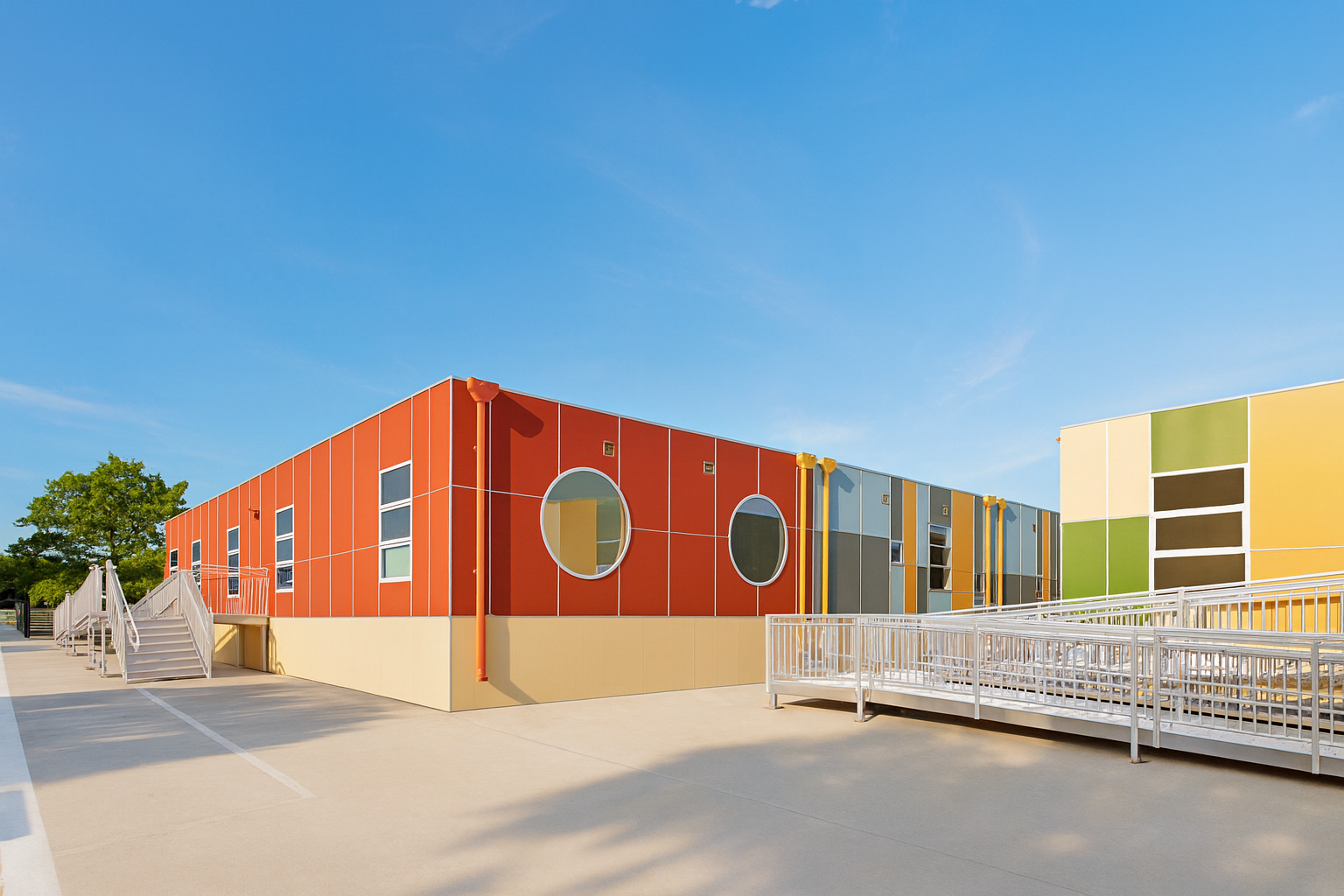
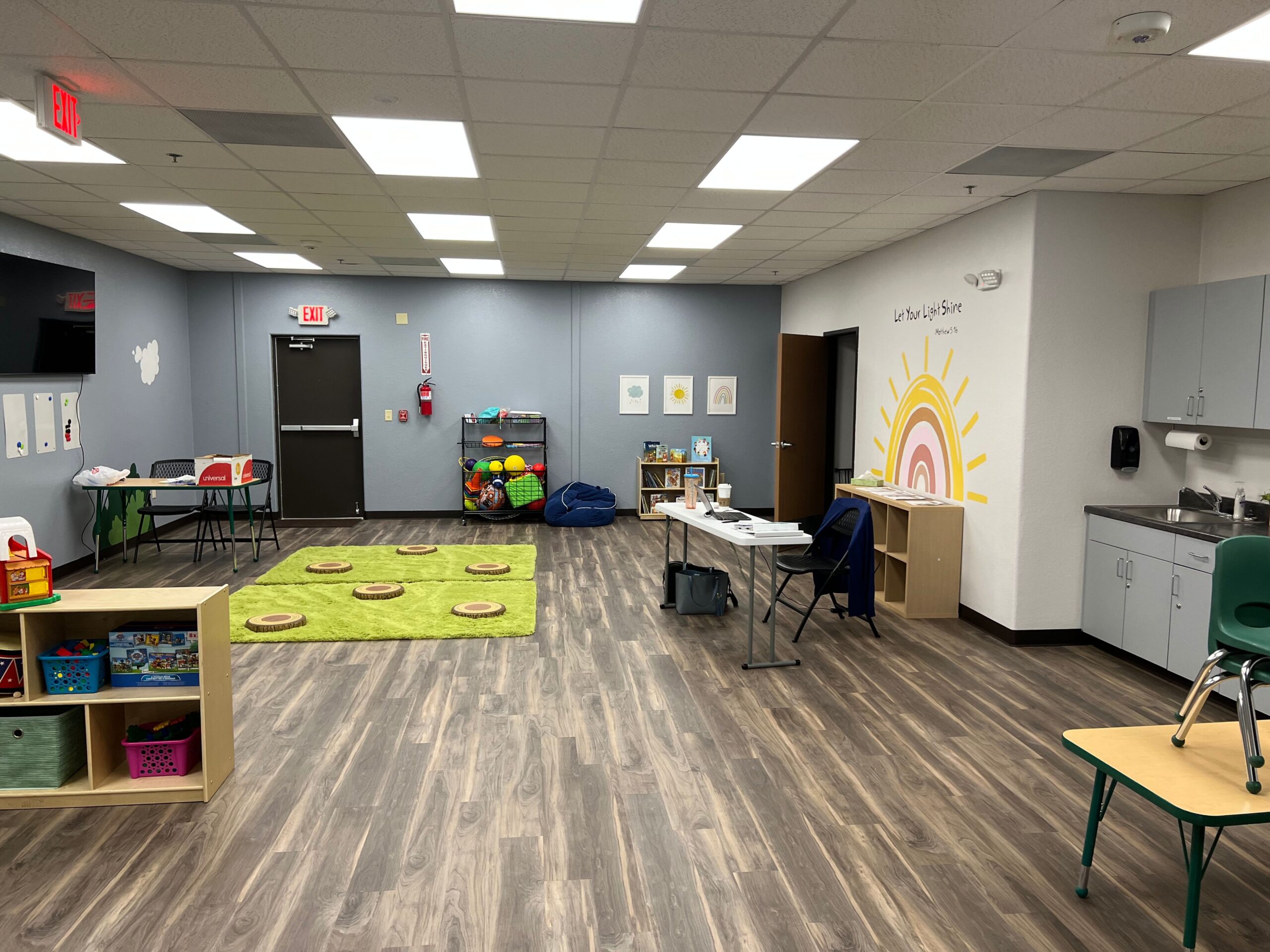
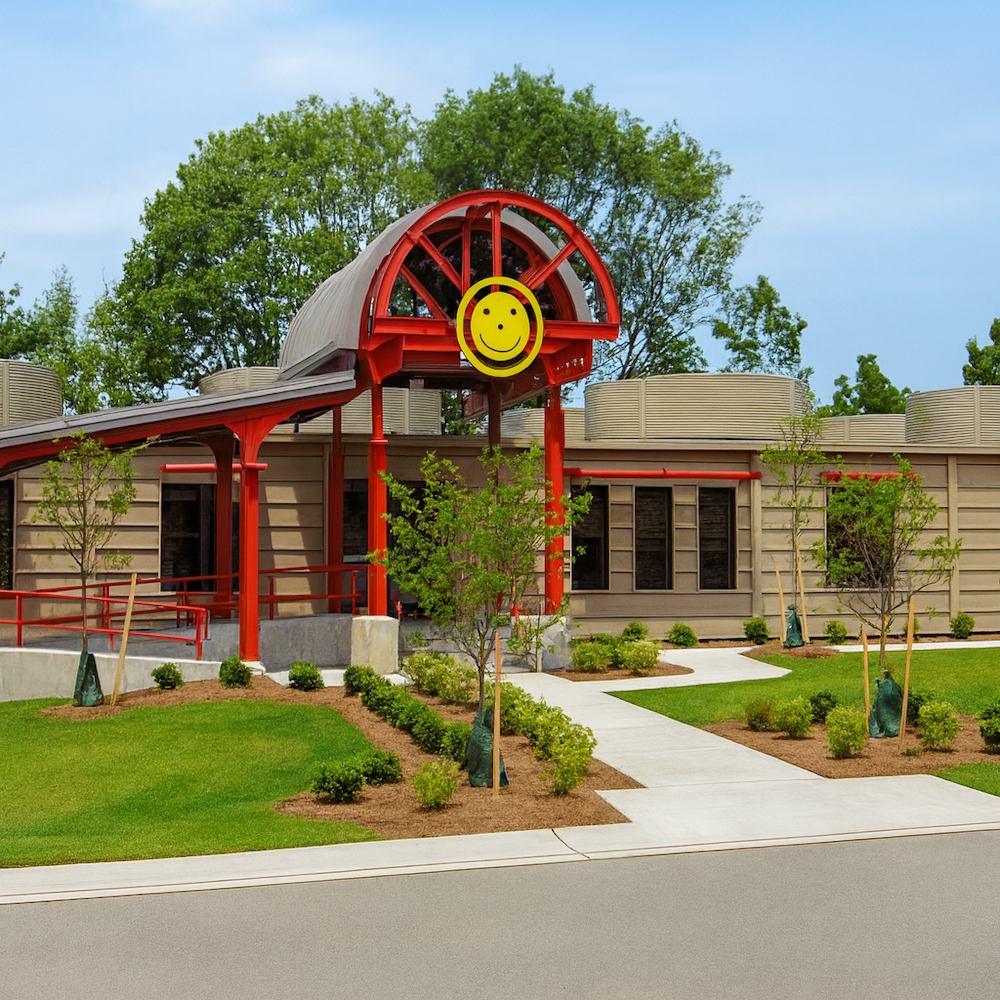

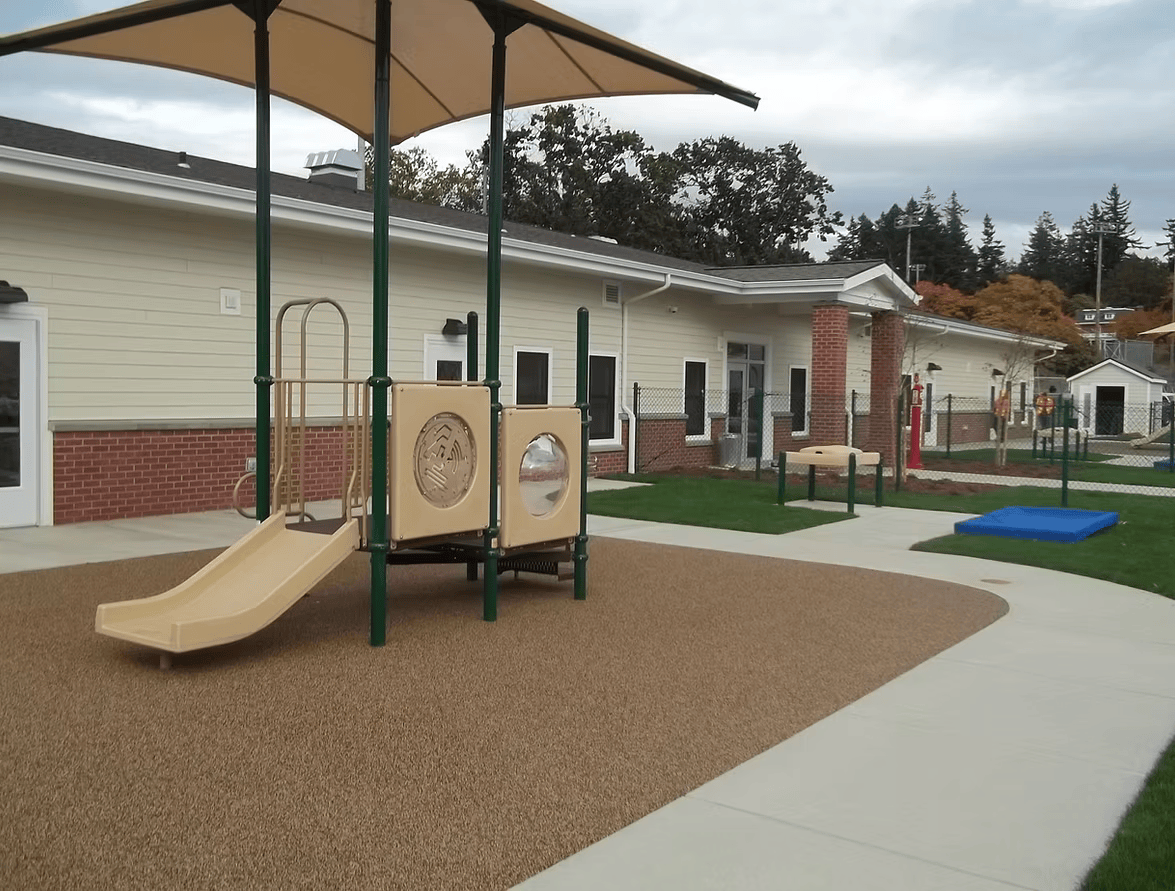
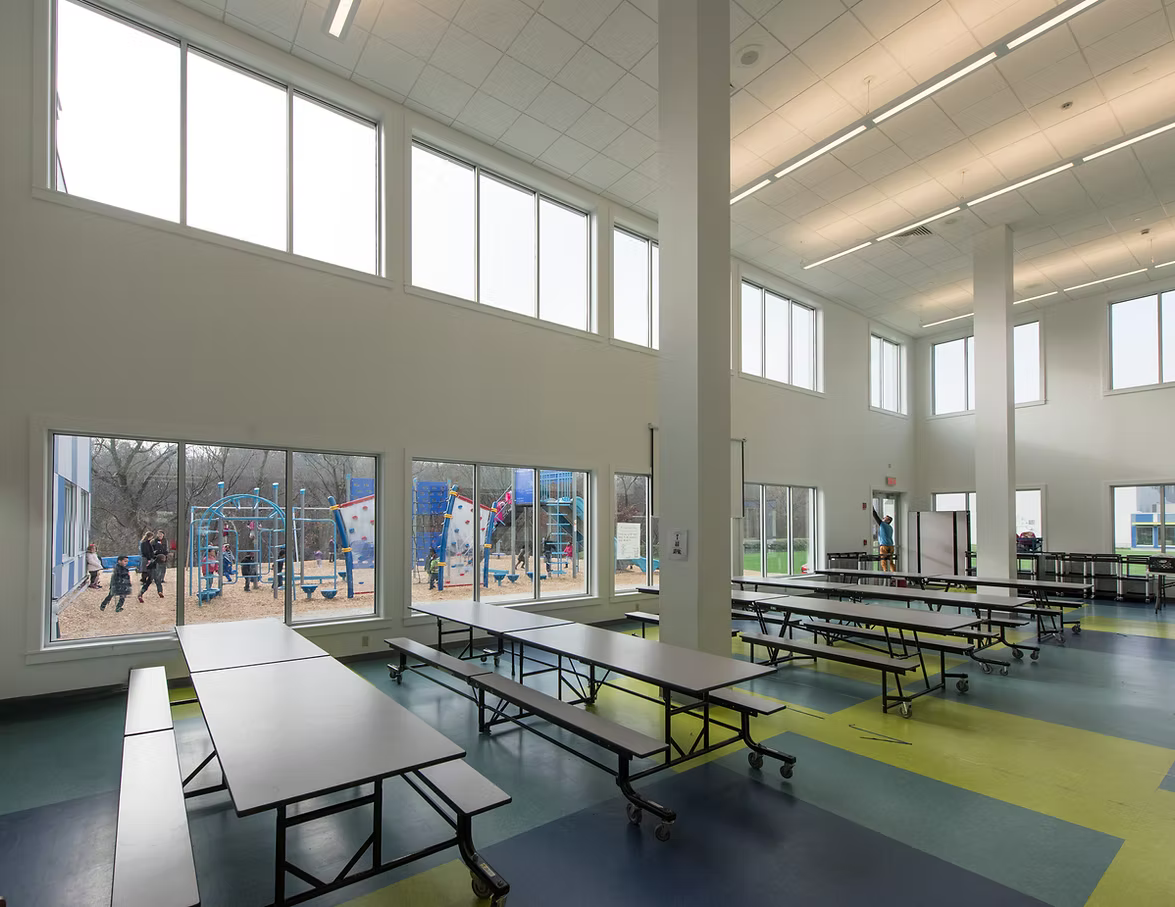
As school districts, colleges, and educational organizations continue to face growing enrollment, aging facilities, and tight budgets, modular construction has emerged as a smart and proven solution. While many people still associate modular buildings with temporary classrooms, today’s modular educational facilities are sophisticated, permanent structures that meet the same standards if not more as traditional construction while offering significant advantages in speed, quality, and cost control.
How Does Modular Construction Differ from Traditional Construction?
The biggest difference between modular and traditional construction is where the building is constructed.
Traditional buildings are built entirely on-site, with each phase of construction occurring sequentially. Weather delays, labor shortages, and material availability can all impact schedules.
With modular construction, the buildings are manufactured in a controlled factory environment while site preparation and foundation work take place simultaneously. This parallel construction process can reduce overall project schedules dramatically, often allowing schools to occupy a new facility in one-third the time of a comparable site-built project.
Because construction occurs indoors, weather delays are minimized, quality control is enhanced, and materials can be purchased and stored efficiently, helping stabilize costs and schedules.
Advantages of Modular Construction for Education
Educational facilities have unique demands, and modular construction offers several advantages that make it particularly well-suited for schools and campuses.
Faster Occupancy
School districts often face strict deadlines tied to academic calendars. Modular construction helps ensure classrooms and facilities are ready when students arrive.
Cost Savings
Factory production creates efficiencies that can reduce overall project costs. In many cases, modular construction can deliver savings of up to 25% compared to traditional methods while providing the same level of quality and durability.
Consistent Quality
Buildings are constructed in a controlled manufacturing environment with rigorous quality inspections throughout the process.
Flexible Design
Today’s modular buildings are highly customizable and can be designed to match existing campus architecture and branding.
Relocatable and Reusable
Many modular educational buildings can be relocated and reused as enrollment needs change. This flexibility allows school districts to maximize their investment, adapt to growth, and repurpose facilities without the cost of new construction.
Reduced Site Disruption
Because much of the construction takes place off-site, there is less noise, traffic, and disruption to ongoing school operations.
Common Types of Modular Educational Buildings
Modular construction supports a wide range of educational facilities, including:
- Temporary classrooms
- Permanent classroom buildings
- Early childhood education and daycare centers
- Administrative offices
- Science and technology labs
- Libraries and learning centers
- Cafeterias and dining facilities
- Restroom buildings
- Locker rooms
- Athletic facilities and press boxes
- Music and band rooms
- College and university buildings
Designed for the Educational Environment
Educational buildings often require specialized design considerations that differ from other commercial structures.
Occupancy levels influence everything from structural requirements to HVAC system design. Classrooms, cafeterias, assembly areas, and gymnasiums each have unique code and engineering requirements.
Modern educational modular buildings can also include:
- Advanced HVAC systems designed to improve indoor air quality
- Ultraviolet (UV) air purification systems that help reduce airborne contaminants
- Enhanced humidity control for varying climates
- Acoustical treatments for band rooms and music spaces
- Age-appropriate restroom fixtures and accessibility features
- Specialized flooring and finishes designed for heavy student use
- These features help create healthier, safer, and more productive learning environments.
Do Modular Educational Buildings Meet Building Codes?
Absolutely.
Modular educational buildings are required to comply with the same building codes and life-safety standards as traditionally constructed buildings. While requirements vary by state, modular buildings are designed and inspected to meet applicable educational occupancy requirements, fire safety regulations, accessibility standards, and structural codes.
In fact, modular construction is governed by its own regulatory process that incorporates the same commercial building code requirements used for site-built construction. Buildings undergo multiple inspections throughout the manufacturing process before being delivered to the project site.
Whether the building is temporary, semi-permanent, or permanent, modular construction is designed to meet the required standards.
Do Contractors Need Special Licenses?
In most cases, contractors do not need special licenses solely because a project uses modular construction. However, licensing requirements can vary by state and local jurisdiction. Contractors must comply with any applicable state requirements for installation, utility connections, and site work.
What Makes Educational Buildings Different?
Educational facilities often have more stakeholders involved in the decision-making process than many other types of projects.
School boards, administrators, teachers, parents, and community members may all participate in discussions regarding building design, colors, finishes, and functionality. Educational projects must also account for age-specific requirements, accessibility standards, safety concerns, and long-term durability.
The result is a building that not only meets code requirements but also supports the educational mission of the institution.
Overcoming Misconceptions About Modular Construction
One of the biggest challenges in the education market isn’t construction, it’s perception.
Many people still associate modular buildings with the temporary classrooms they remember from decades ago. Today’s modular facilities, however, are vastly different. Modern modular buildings can be permanent structures that are virtually indistinguishable from site-built facilities.
As more school districts tour manufacturing facilities and see completed projects firsthand, these misconceptions are quickly disappearing. Once stakeholders understand the quality, durability, and flexibility of modern modular construction, they often become strong advocates for the approach.
Creating Better Learning Spaces
One memorable educational project involved the construction of a daycare facility that demonstrated the flexibility of modular construction. The project showcased how modular buildings can support educational needs ranging from immediate occupancy solutions to permanent learning environments designed to serve generations of students.
Whether a school needs additional classrooms for next semester, a permanent administrative building, a cafeteria expansion, or a complete educational campus, modular construction provides a proven solution that delivers quality, speed, and value.
As educational institutions continue searching for smarter ways to expand and modernize their facilities, modular construction is helping create better learning environments, one building at a time.