

Thinking Outside of the “Box”
The Construction Labor Shortage Crisis Is Changing How Buildings Are Delivered.
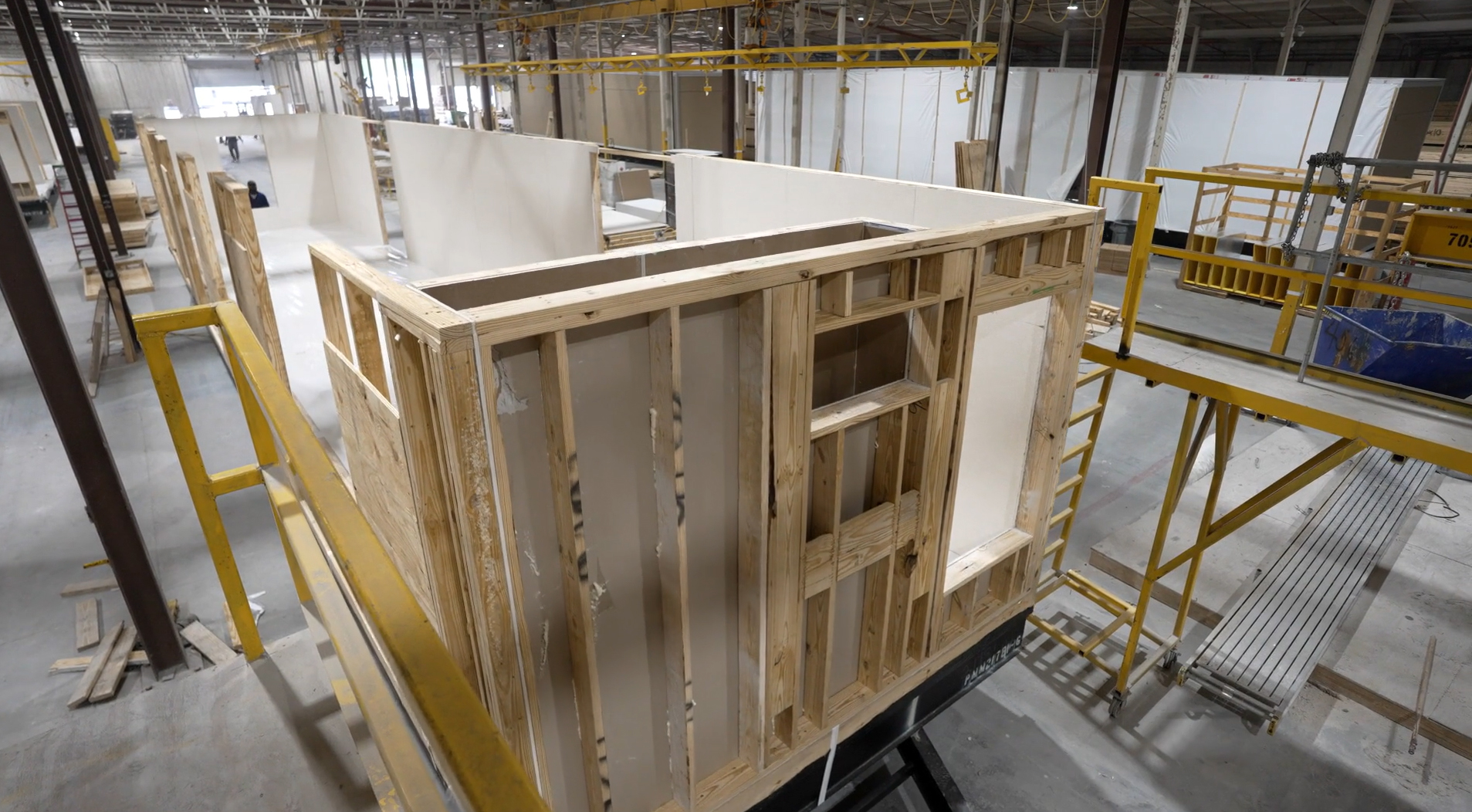
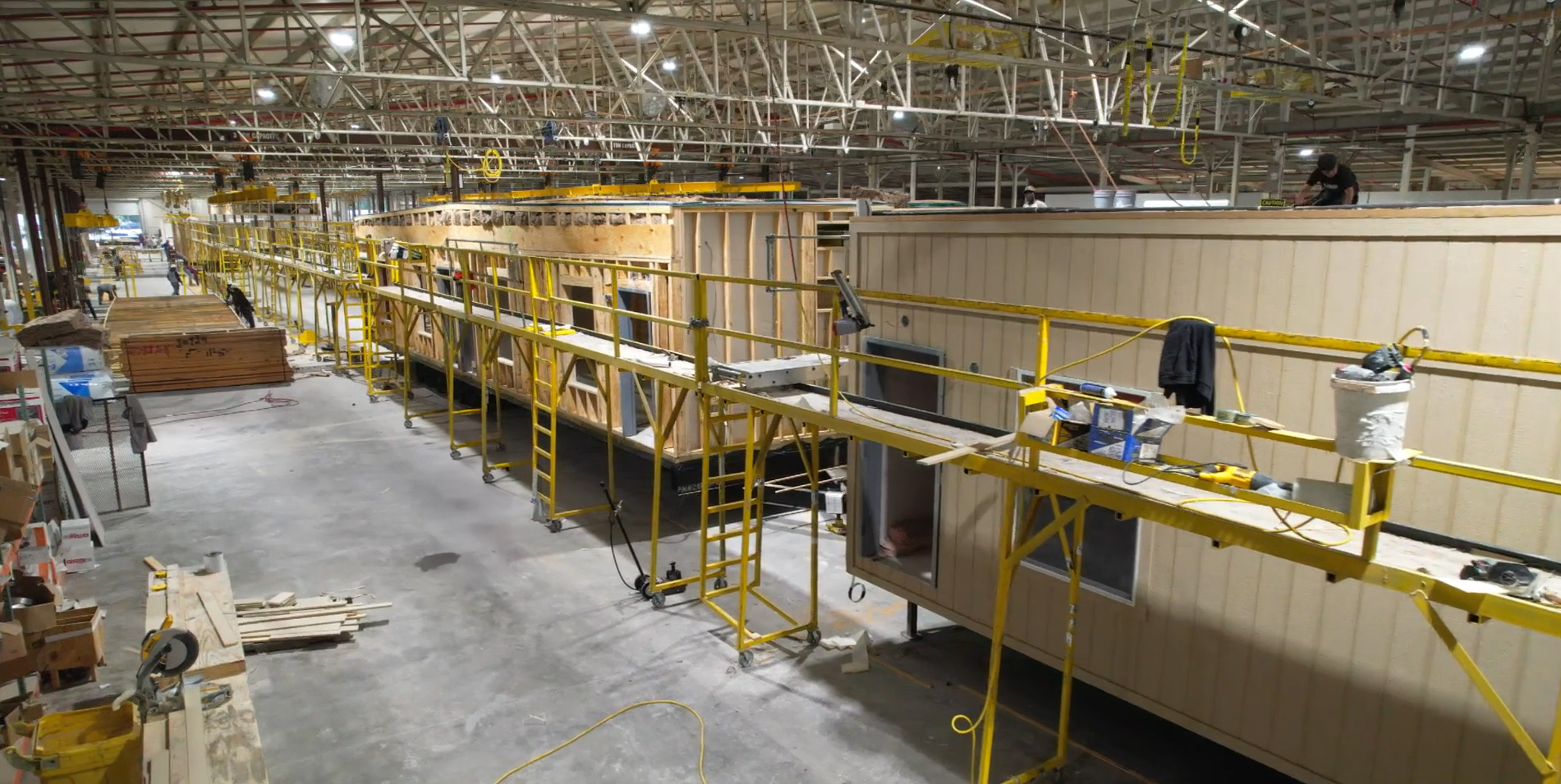
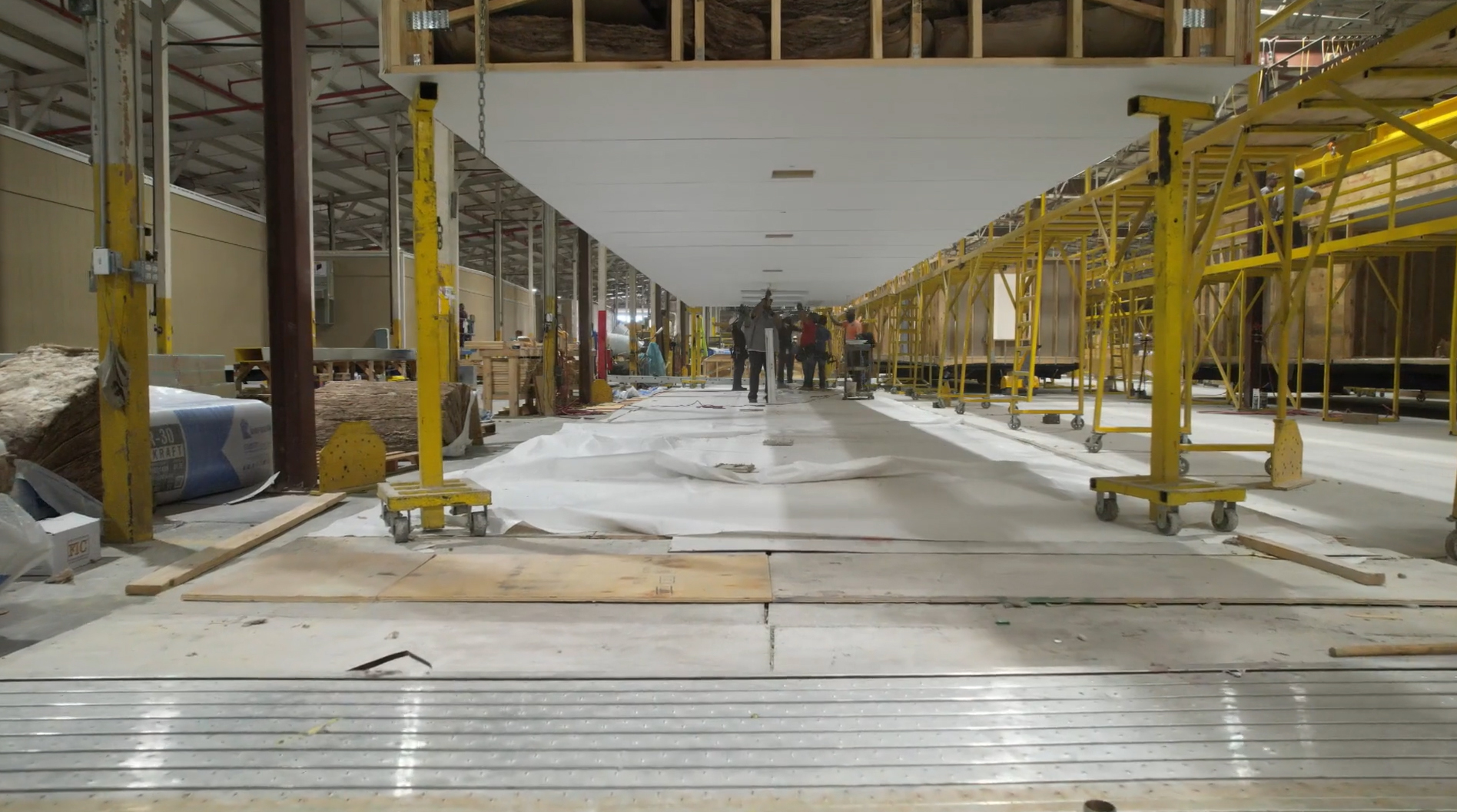

The construction industry continues to face one of its biggest challenges in decades: a growing shortage of skilled labor. Across the country, contractors and developers are struggling to find enough qualified workers to keep projects moving, while demand for healthcare facilities, schools, commercial buildings, housing, and infrastructure continues to rise.
This challenge is forcing the industry to rethink traditional building methods and look forsmarter, more efficient solutions. One of the fastest-growing answers is modular construction.
A Smarter Approach to Construction
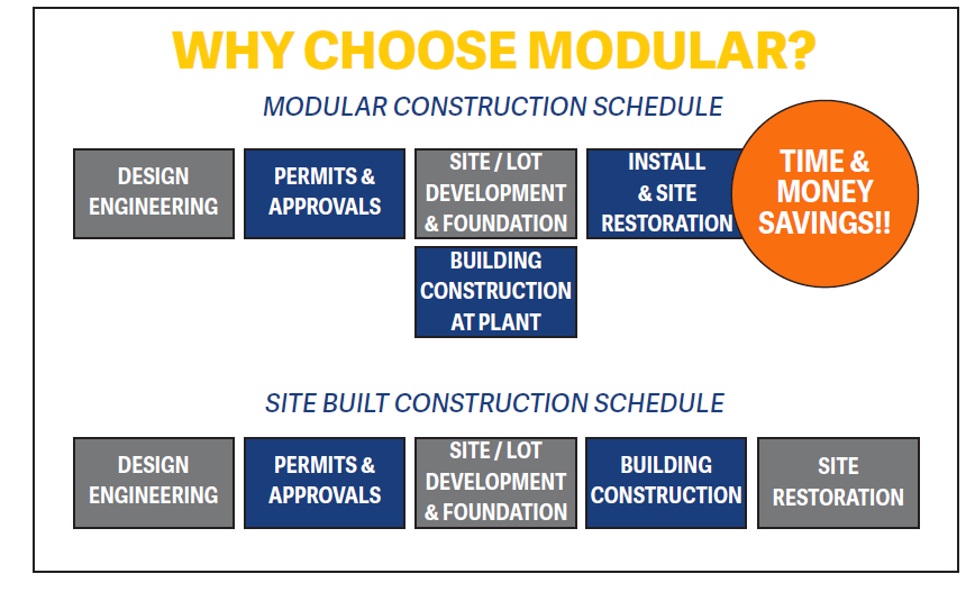
Modular construction blends the precision of manufacturing with the discipline of construction. A modular factory is not just a production facility; it is an active jobsite where skilled trades work in a controlled, coordinated environment.
Unlike traditional construction, where most activities occur one step at a time on-site, modular construction allows multiple phases to proceed simultaneously. While excavation, grading, and foundation work are taking place at the project site, modules are being built off-site in the factory.
Depending on the owner’s requirements, 60% to 90% of the building can be completed before the modules ever leave the factory.
Why the Front End Matters
The success of a modular project begins long before production. Design decisions must be completed early because front-end planning directly affects production efficiency.
Once modules enter production, changes can affect not only the module itself but also the modules scheduled behind it. Clear design direction, completed approvals, and accurate specifications help keep the production line moving and the project on schedule.
Procurement Keeps Production Moving
The next critical step is procurement. Having materials available before production begins helps shorten the production cycle and reduce delays.
A module can take 5 to 12 days from start to finish, depending on its complexity. Because the process moves quickly, the timely availability of materials is essential.
What Happens Inside the Factory?
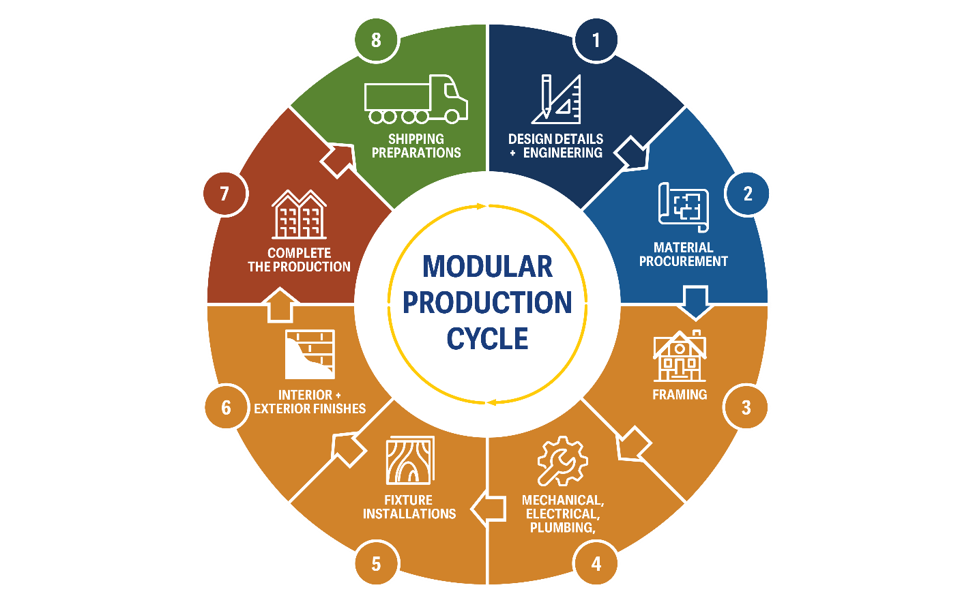
Inside the factory, work flows through a series of production stations. Each station is responsible for a specific part of the construction process, such as framing, electrical, plumbing, HVAC, wall covering, finishes, cabinetry, painting, and flooring.
This repeatable workstation process is one of the reasons modular construction is so efficient. It allows teams to maximize labor, maintain quality control, improve material efficiency, and reduce waste.
Why Factory Construction Works
A controlled factory environment offers major advantages over traditional site-built construction. Factory production is not impacted by weather delays, material exposure, or inconsistent site conditions. Additional benefits include:
- Improved quality control
- Increased worker safety
- Reduced material waste
- Faster project completion
- Better scheduling predictability
- Reduced onsite disruption
- More efficient use of skilled labor
Built with Quality and Compliance in Mind
Throughout production, modules are inspected at multiple stages by third-party inspectors and building code officials. Inspection requirements vary by state, but the goal remains the same: to ensure each module meets required codes, quality standards, and project specifications.
Unlike traditional site-built construction, where inspections can create a stop-and-wait situation, modular production is designed to keep work moving while quality checks are completed.
Ready for Delivery
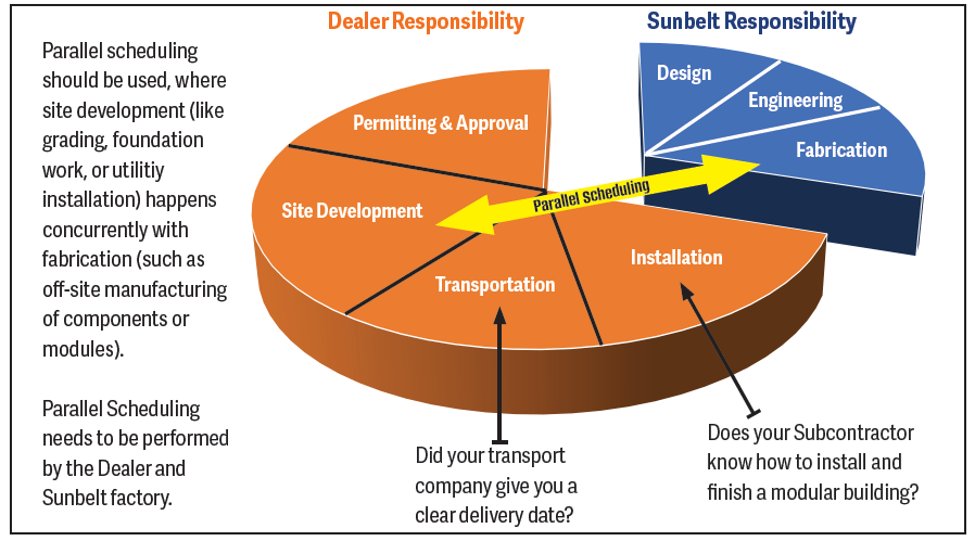
Once a module completes production, it moves through final walks and quality control review. After approval, the module is prepared for transportation to the project site, where installation and final finishing take place.
The Future of Construction
As labor shortages continue to impact the construction industry, modular construction is becoming an increasingly valuable solution for owners, developers, and contractors.
By combining off-site production with on-site construction activity, modular building helps projects stay on track while delivering high-quality results.
In an industry being asked to do more with fewer resources, modular construction is helping reshape how buildings are designed, manufactured, and delivered.