

Modular Container Transformations: What You Should Know
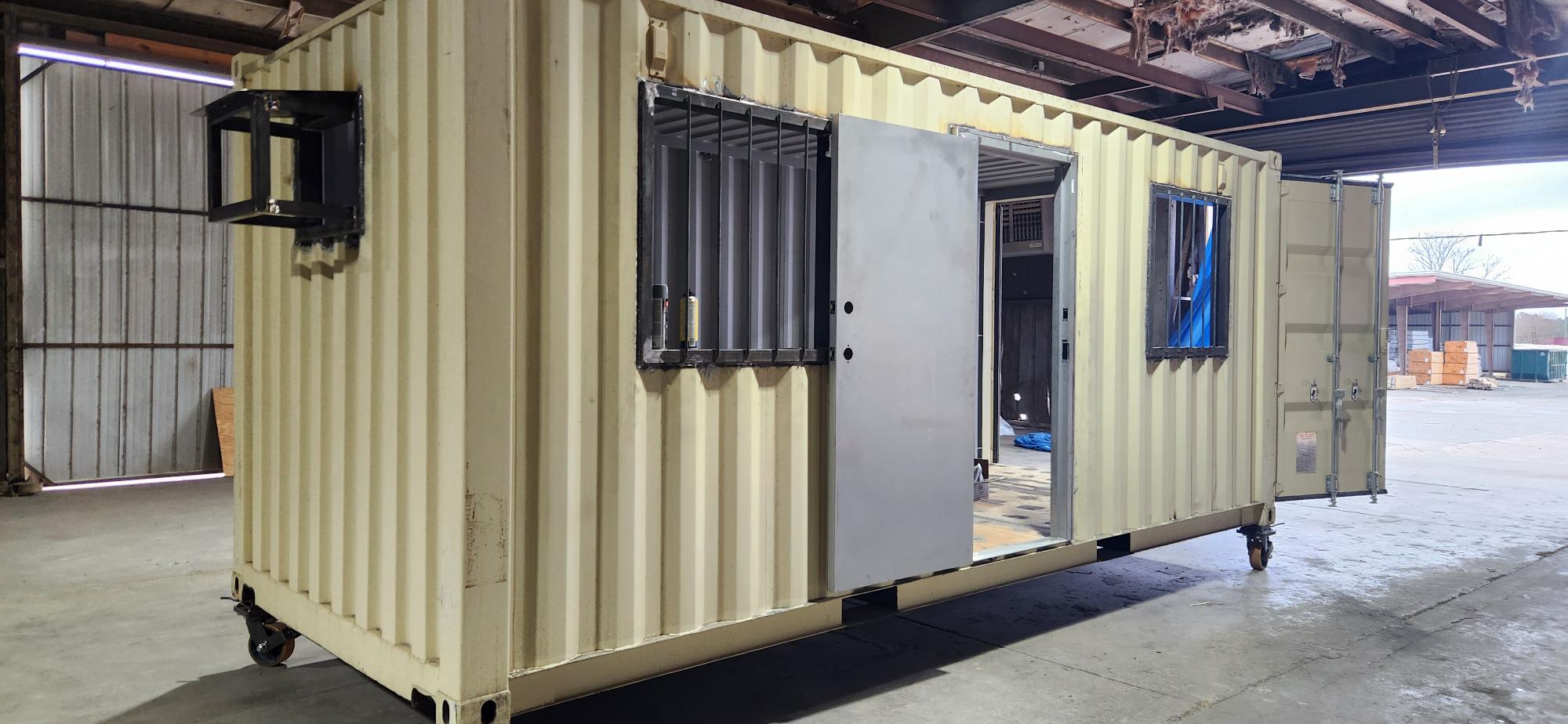
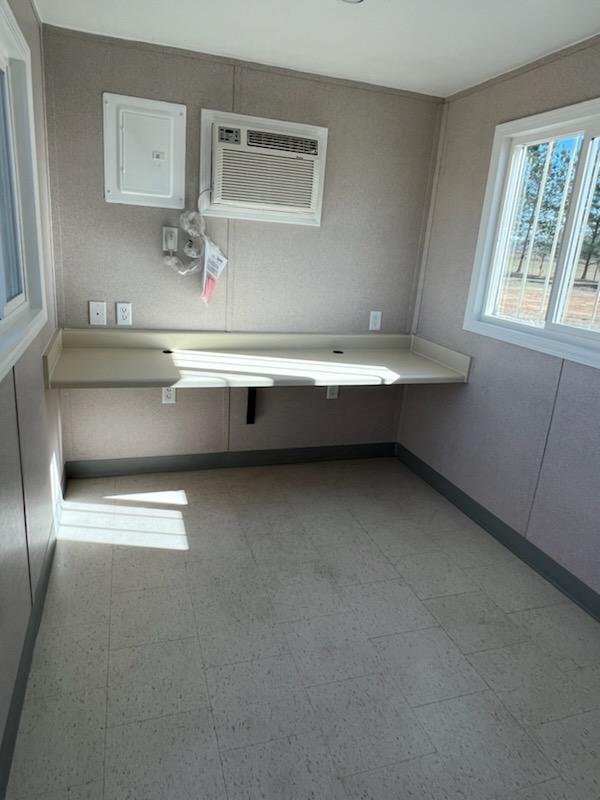
Modular container transformations have become one of the fastest-growing segments of the modular construction industry. Shipping containers are now being converted into offices, pop-up retail spaces, restaurants, medical storage units, and secure facilities.
While the idea of converting containers into buildings is becoming more common, many people are not familiar with the different types of containers available or how engineering modifications affect their classification.
One of the most important distinctions in container construction is the difference between coded vs non-coded shipping containers.
Coded vs Non-Coded Shipping Containers
The terms coded container and non-coded container refer to whether a container is certified for international shipping and transport.
Coded Containers
Coded containers are certified under international shipping standards and are approved for global transportation. These containers meet requirements established by ISO and the Convention for Safe Containers (CSC). Coded containers are commonly used for:
- International cargo shipping
- Intermodal transportation
- Shipping and logistics fleets
- Government and defense transportation
These containers carry official inspection plates verifying they meet structural safety standards for shipping and transport.
Non-Coded Containers
A non-coded shipping container is a container that is no longer certified for international shipping. This typically happens when the container is modified or removed from the shipping fleet.
Most shipping container conversions become non-coded once structural modifications begin. These modifications can include:
- Removing container wall sections
- Cutting openings for doors and windows
- Adding insulation and interior systems
- Installing electrical, HVAC, and plumbing systems
- Reinforcing structural framing
Once these changes are made, the container can no longer be used for international cargo shipping, but it becomes ideal for modular container building applications.
Ground Level Office (GLO) Container Conversions
One of the most common container transformations is the Ground Level Office (GLO).
A ground-level office container is a fully functional workspace created from a shipping container and placed directly on the ground rather than on a trailer or chassis. These container offices are widely used for:
- Construction site offices
- Infrastructure projects
- Industrial jobsite offices
- Temporary commercial workspaces
- Remote project locations
Because containers already have a strong steel frame, they provide a durable base for creating secure and relocatable office environments. Typical GLO container modifications include:
- Interior framing and insulation
- Electrical and lighting systems
- HVAC installation
- Windows and entry doors
- Interior wall finishes
Even though these modifications remove the container’s shipping certification, the original steel shell still provides exceptional strength for modular construction.
Expanding Container Buildings Beyond Standard Sizes
Standard shipping containers typically come in two primary sizes:
- 8×20-foot containers
- 8×40-foot containers
However, engineering teams can expand these units to create much larger modular spaces.
For example, containers can be modified by cutting out the side walls and combining two units to create a double-wide container office or workspace.
Containers can also be stacked to create multi-level structures, allowing them to function as full modular buildings.
Common Shipping Container Conversion Applications
Container conversions are used across many industries because they are durable, relocatable, and adaptable. Some common modular container building applications include:
- Ground Level Offices (GLOs)
- Commercial storage containers
- Expanded double-wide container workspaces
- Restroom facilities
- Pop-up retail storefronts
- Restaurants and food service units
- Press boxes and event facilities
- Medical or pharmaceutical storage
- PPE storage units
- Secure facilities such as SCIFs
Because container structures are modular in nature, they can be customized for a wide range of operational needs.
Are Container Conversions Faster Than Traditional Modular Construction?
In some situations, container building conversions can be faster than traditional modular construction.
Since the steel shell already exists, fabrication teams start with a structural base instead of building from scratch.
However, container transformations still require specialized fabrication work, including cutting, welding, and reinforcement. These steps require skilled craftsmanship to ensure quality and safety.
While some projects benefit from faster timelines, the focus is often on structural integrity and high-quality fabrication rather than speed alone.
Container Conversions vs Traditional Modular Buildings
Traditional modular buildings are typically constructed starting with a steel chassis frame, with walls, floors, and roofing systems built in a factory environment.
Container conversions differ because the fabrication process starts with an existing steel structure.
Instead of building everything from scratch, engineers modify and reinforce the container shell.
This process can involve more welding and structural adjustments, but it also creates a very durable steel-framed modular building.
Benefits of Modular Container Buildings
Container construction offers several advantages for certain types of projects.
Compact Footprint
Containers can be installed in tight spaces where traditional modular buildings or trailers may not fit.
Height Flexibility
Their low-profile structure can help meet site height restrictions.
Faster Project Deployment
Container conversions can sometimes be completed faster than waiting for availability on a modular production line.
Structural Durability
Shipping containers are built from heavy-duty steel designed to withstand harsh transportation environments, making them an excellent foundation for modular construction.
Challenges of Container Transformations
Although container construction offers many benefits, there are also challenges to consider.
Container Sourcing
Finding one-use containers that have not transported hazardous materials is critical. Reliable suppliers certify their containers to ensure they are safe for occupancy and conversion.
Freight and Transportation Costs
Shipping containers can be expensive to transport long distances, which may impact overall project budgets.
Fabrication Complexity
Because container structures are made of steel, cutting and welding requires specialized skills. Proper reinforcement and high-quality weld work are essential to maintain structural integrity.
The Future of Modular Container Construction
Container transformations continue to gain popularity as organizations look for durable, flexible, and relocatable building solutions.
From ground level office containers to modular container buildings for commercial and industrial applications, these structures provide a strong and adaptable alternative to traditional construction.
With proper engineering and fabrication, container conversions can deliver reliable performance while supporting the evolving needs of modern construction projects.