

Modular Construction and the Future of Healthcare Facilities
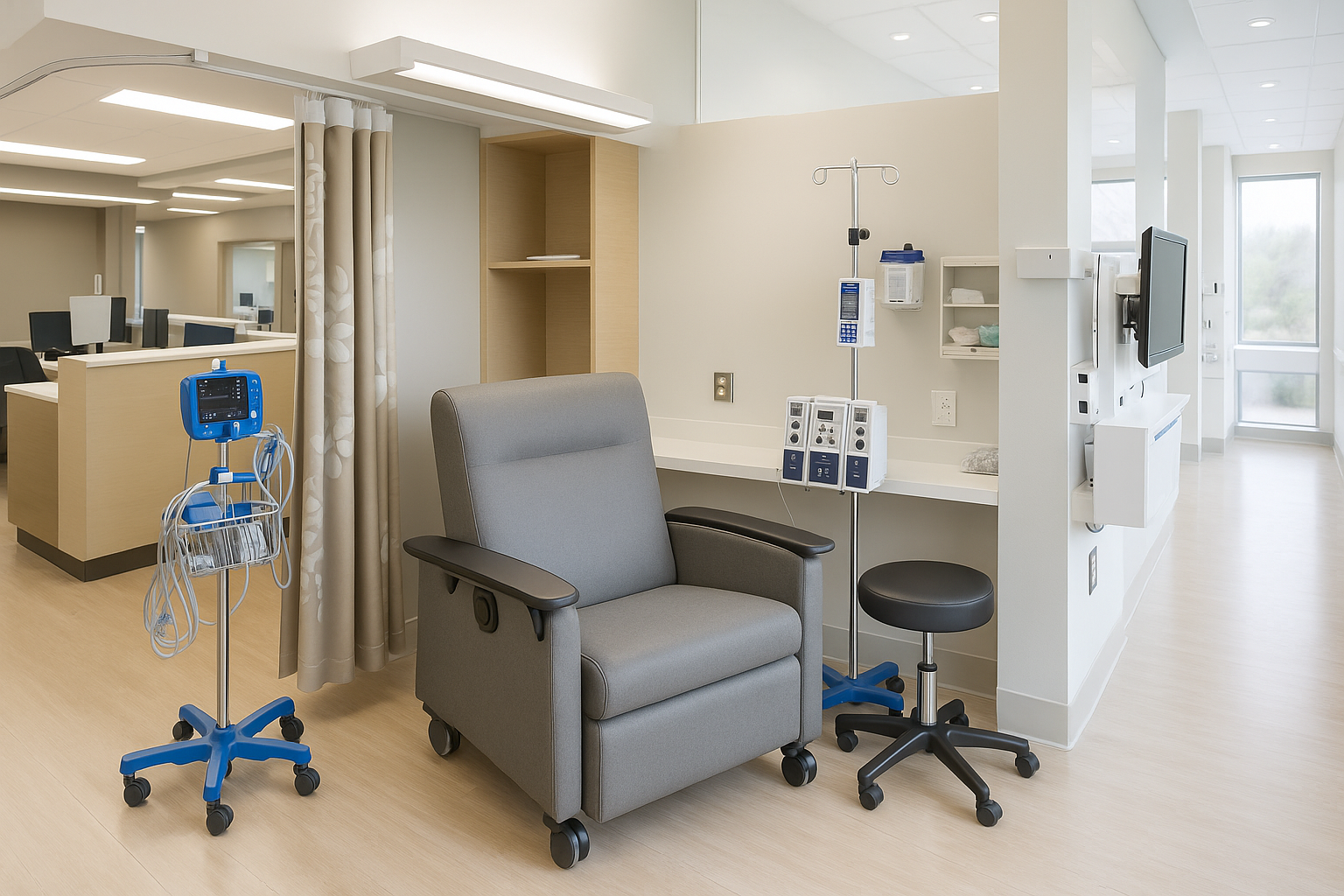
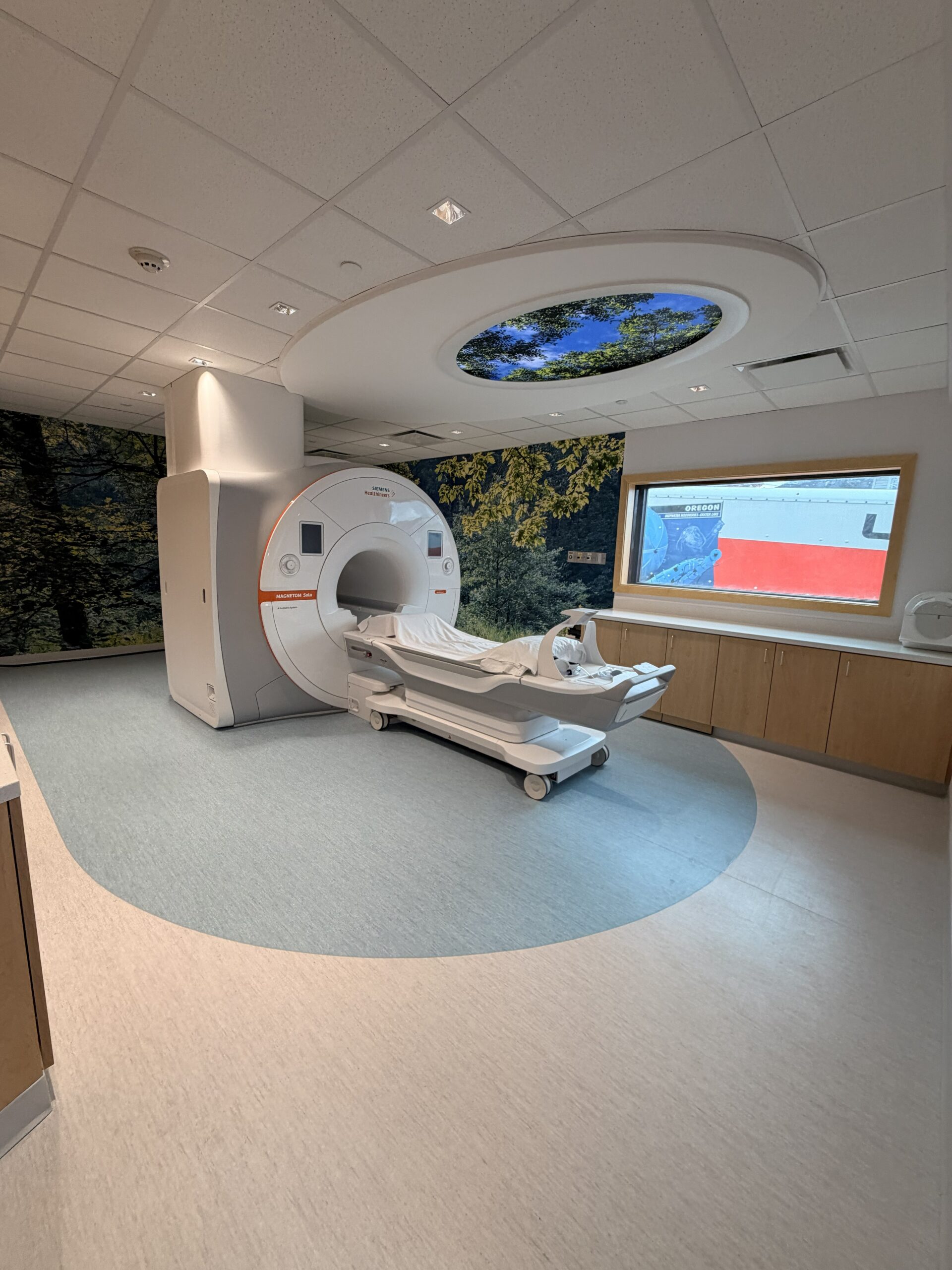
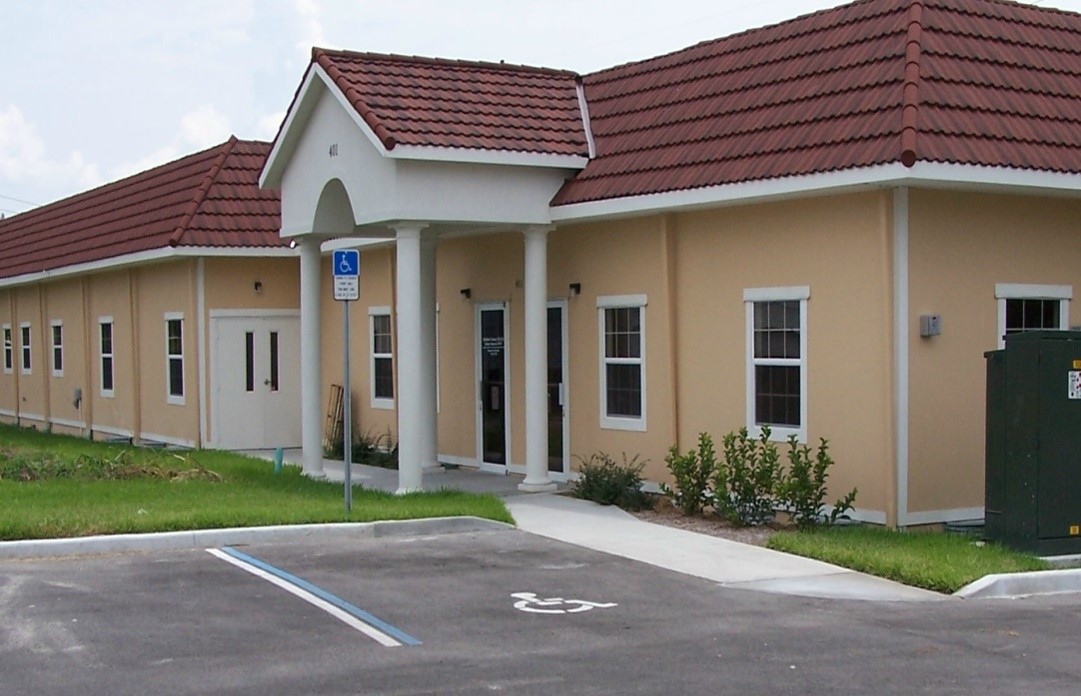
The demand for medical services continues to grow, but traditional construction timelines often move too slowly to keep up. Patient populations continue to increase, and medical technology evolves, hospitals and healthcare systems must expand facilities quickly while maintaining strict regulatory and operational standards.
This challenge has led many healthcare organizations to adopt modular construction as a faster and more efficient way to build medical facilities. Market projections indicate that the modular healthcare construction sector is expected to grow 16.4%, adding roughly $10.85 billion between 2023 and 2028. The growth reflects a broader shift toward construction methods that provide speed, flexibility, and reliability.
Modular building is helping healthcare systems deliver new medical space faster, reduce disruption to existing operations, and create highly specialized environments that meet the unique needs of modern healthcare.
What Is Modular Healthcare Construction?
Modular construction is a construction method in which large sections of a building, known as modules, are built in a controlled factory environment. Once completed, the modules are transported to the job site and assembled to create the finished structure.
Unlike temporary trailers or mobile offices, modern modular buildings are permanent structures designed to meet the same building codes and standards as traditionally constructed buildings. The materials used in traditional builds are also used in modular buildings.
For healthcare providers, modular construction offers a unique advantage: site work and building construction can occur simultaneously, significantly reducing the overall project timeline. This approach allows hospitals and healthcare systems to bring new medical facilities online much faster than traditional construction methods.
Why the Healthcare Industry Is Adopting Modular Buildings
1. Faster Construction Timelines
Speed is one of the biggest advantages of modular construction in healthcare. Traditional building projects can take several years from planning to completion. In contrast, modular projects can often reduce construction timelines by 30–50 percent.
Because modules are built in a factory while site preparation occurs at the same time, projects move forward more efficiently. Once the modules arrive on-site, installation and finishing work can be completed much faster than conventional building methods.
The Advantages for Healthcare Providers:
- Faster expansion of patient care space
- Reduced wait times for new facilities
- Quicker responses to community healthcare needs
2. Minimal Disruption to Existing Hospitals
Building expansions can be difficult when patient care must continue during construction. Traditional building projects often generate noise, dust, and restricted access, which can interfere with medical operations. Utilizing modular construction practices reduces these disruptions because most of the building process takes place off-site. When modules arrive at the location, installation is typically faster and more controlled, minimizing the impact on hospital staff and patients.
3. Highly Customizable Healthcare Environments
The need for precise layouts and specialized infrastructure to support patient care, medical equipment, and staff workflow is non-negotiable. Modular construction provides a flexible design approach that allows facilities to be tailored to specific healthcare applications.
Modular buildings can be designed to support a wide range of healthcare uses, including:
- Outpatient clinics
- Medical office buildings
- Imaging and diagnostic centers
- Surgical suites
- Laboratories
- Urgent care centers
- Specialty treatment facilities
Because modular buildings are created using standardized systems, they can also be expanded or modified in the future if healthcare needs change.
4. Supporting Rapid Healthcare Infrastructure Growth
Population growth, aging communities, and expanded access to healthcare services are all increasing the demand for medical facilities. Many healthcare systems must expand infrastructure quickly in order to keep up with patient demand.
Modular construction provides a scalable solution that allows healthcare organizations to add new buildings or departments without long construction delays.
- Permanent medical buildings
- Expansion units for growing hospitals
- Temporary facilities during renovations
- Remote or rural healthcare clinics
- Emergency response medical structures
Do Modular Healthcare Buildings Meet Medical Regulations?
A common misconception about modular construction is that modular buildings are temporary or lower-quality structures. This is not true; modular healthcare buildings must meet the same codes and regulatory requirements as traditionally constructed facilities.
These standards typically include:
- International Building Code (IBC)
- National Fire Protection Association (NFPA) standards
- Accessibility requirements under ADA guidelines
- Local and state healthcare facility regulations
- Facility Guidelines Institute (FGI)
Because modular buildings are built in a controlled factory environment, they often benefit from improved quality control and consistent construction standards.
Weather delays, site conditions, and material exposure are also reduced, which can improve overall build quality.
Modular vs. Traditional Healthcare Construction
| Modular Construction | Traditional Construction | |
|---|---|---|
| Construction Timeline | Typically 30-50% faster | Longer project timelines |
| Site Disruption | Minimal on-site impact | Significant construction activity |
| Quality Control | Factory-controlled environment | Weather and site conditions affect work |
| Flexibility | Can be expanded or relocated | Permanent and harder to modify |
| Cost Efficiency | Often more predictable Costs | Costs can fluctuate due to delays |
While both methods can produce high-quality healthcare facilities, modular construction offers greater speed and flexibility, which is particularly valuable in healthcare environments where demand can change quickly.
The Future of Modular Construction in Healthcare
As facilities continue to modernize, modular construction will likely play an important role in the industry.
Healthcare organizations are recognizing that modular building methods allow them to:
- Expand services faster
- Reduce construction disruptions
- Maintain consistent building quality
- Adapt facilities to changing patient needs
For healthcare systems looking to expand or modernize their facilities, modular construction offers a practical solution that combines speed, flexibility, and high construction standards.
Whether the goal is to build a new clinic, expand a hospital campus, or provide temporary space during renovations, modular buildings can help healthcare organizations deliver new patient care environments faster and more efficiently.
Working with an experienced modular construction provider ensures that healthcare facilities are designed to meet all required regulations while supporting the operational needs of medical professionals.
Start Your Healthcare Modular Building Project
If your organization is exploring ways to expand medical facilities quickly and efficiently, modular construction may be the ideal solution.
Our team specializes in designing and delivering high-quality modular healthcare buildings that meet strict regulatory standards while helping healthcare providers bring new facilities online faster.
Contact us today to learn how modular construction can support your next healthcare project.